Making Behavioral Healthcare Easy

Athra Systems, a veteran-owned leader in behavioral healthcare, combines 100+ years of expertise with strategic, data-driven solutions. With top-tier providers, flexible care models, and seamless integration, we optimize operations, elevate patient outcomes, and empower facility success.

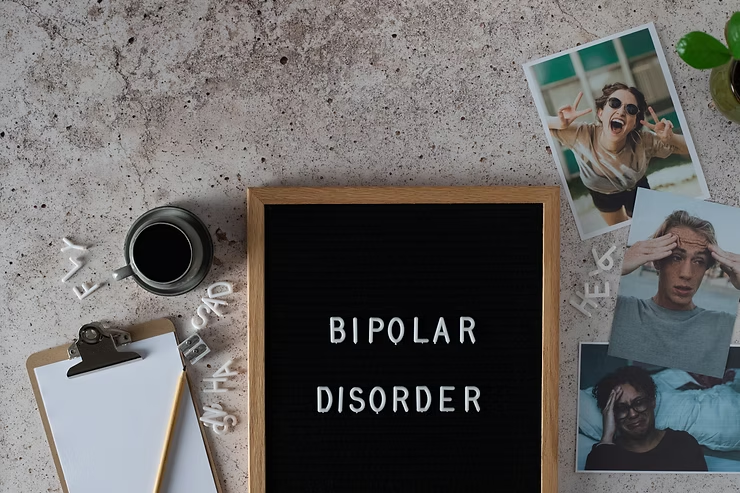
Bipolar disorder, also known as manic-depressive illness, is a mental health condition characterized by extreme mood swings, including emotional highs (mania or hypomania) and lows (depression). This disorder affects millions of people worldwide, disrupting lives and creating challenges for individuals and their loved ones. In this article, we delve into the complexities of bipolar disorder, drawing on quotes and statistics from reputable sources to provide a comprehensive understanding.

Prevalence and Impact

Bipolar disorder affects approximately 2.8% of the U.S. population, according to the National Institute of Mental Health (NIMH). Globally, the prevalence is estimated to be around 1-3%, highlighting the widespread impact of this condition. The World Health Organization (WHO) ranks bipolar disorder as the 6th leading cause of disability worldwide.

Symptoms and Diagnosis

The symptoms of bipolar disorder vary depending on the type of mood episode. During manic episodes, individuals may experience heightened energy, euphoria, decreased need for sleep, and impulsive behavior. Depressive episodes, on the other hand, are marked by feelings of sadness, hopelessness, fatigue, and difficulty concentrating.

Dr. Kay Redfield Jamison, a clinical psychologist and author of “An Unquiet Mind,” who herself has bipolar disorder, explains, “The illness comes with a built-in grandiosity… Manic depressive illness is one of the great killers.”

Treatment and Management

Effective management of bipolar disorder typically involves a combination of medication, therapy, and lifestyle adjustments. Mood stabilizers, antipsychotic medications, and antidepressants are commonly prescribed to help regulate mood swings. Psychotherapy, particularly cognitive-behavioral therapy (CBT), plays a crucial role in helping individuals develop coping strategies and improve their quality of life.

According to the Depression and Bipolar Support Alliance (DBSA), “With a proper treatment plan, nearly 80% of people with bipolar disorder can lead healthy, productive lives.”

Personal Accounts

Hearing from individuals who live with bipolar disorder provides valuable insights into the daily challenges and triumphs they experience. Actress and mental health advocate Carrie Fisher once said, “At times, being bipolar can be an all-consuming challenge, requiring a lot of stamina and even more courage, so if you’re living with this illness and functioning at all, it’s something to be proud of, not ashamed of.”

Stigma and Awareness

Despite the prevalence of bipolar disorder, stigma and misconceptions persist. Many people with bipolar disorder face discrimination and misunderstanding, which can hinder their ability to seek treatment and support. Raising awareness and promoting education about the disorder are crucial steps toward reducing stigma.

The National Alliance on Mental Illness (NAMI) emphasizes, “Stigma hurts. It undermines people’s dignity and prevents them from seeking help and support.”

Conclusion

Bipolar disorder is a complex and challenging mental health condition that affects millions worldwide. Understanding the symptoms, treatment options, and personal experiences of those living with the disorder can foster greater empathy and support. By promoting awareness and reducing stigma, we can create a more inclusive and compassionate society for individuals with bipolar disorder.

As Winston Churchill, who is believed to have had bipolar disorder, once said, “We shall draw from the heart of suffering itself the means of inspiration and survival.” This quote encapsulates the resilience and strength of those living with bipolar disorder, reminding us of the importance of empathy, support, and continued advocacy.


Celebrating Social Wellness Month: Tips and Tricks to Stay Socially Well

Celebrating Social Wellness Month: Tips and Tricks to Stay Socially Well

Social Wellness Month, celebrated every July, is a time to recognize the importance of our social connections and the impact they have on our overall well-being. Social wellness involves nurturing our relationships, building supportive networks, and maintaining a balance between our personal and social lives. Strong social ties can reduce stress, enhance mental health, and improve our quality of life.

Navigating Grief: Support for Bereaved Parents

Navigating Grief: Support for Bereaved Parents

Every year, the month of July is dedicated to Bereaved Parents Awareness, shining a light on the challenges faced by parents who have experienced the loss of a child. Coping with such a profound loss can be a lonely and overwhelming journey, but it’s essential to remember that help and support are available.

PTSD Awareness Day: Understanding PTSD, Symptoms and Treatment

PTSD Awareness Day: Understanding PTSD, Symptoms and Treatment

Post-Traumatic Stress Disorder (PTSD) is a complex mental health condition that can manifest in various ways and impact individuals differently. It often develops after exposure to a traumatic event and can significantly affect a person’s daily life. Understanding the symptoms and available treatment options is crucial for effectively managing PTSD.

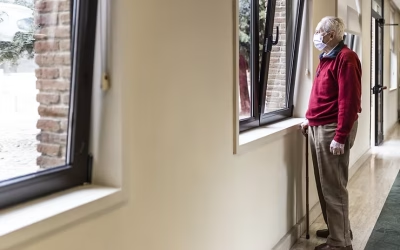
Treating and Managing Depression in Senior Living Communities

Treating and Managing Depression in Senior Living Communities

Recognizing the Signs of Depression
Staff members play a vital role in identifying depression in residents. Here are some key signs to look for:

Persistent Sadness or Low Mood: Residents may appear unusually sad, tearful, or express feelings of hopelessness.

Withdrawal from Activities: A noticeable decline in participation in social events or hobbies that they previously enjoyed.

Changes in Appetite and Weight: Significant weight loss or gain, often accompanied by changes in eating habits.

Sleep Disturbances: Insomnia, excessive sleeping, or irregular sleep patterns.

Fatigue and Lack of Energy: Complaints of tiredness and a general lack of energy to perform daily tasks.

Difficulty Concentrating: Trouble focusing, making decisions, or remembering things.

Physical Complaints: Frequent physical issues such as headaches, stomach aches, or chronic pain without a clear medical cause.

Feelings of Worthlessness or Guilt: Expressions of excessive guilt, worthlessness, or self-blame.

Increased Irritability or Restlessness: Uncharacteristic irritability, agitation, or restlessness.

“At WindRiver Management Corporation, we have monthly trainings and educations for our care teams to ensure staff have the tools they need to keep our residents well,” said Corporate Clinical Support Nurse, Brittany Wriston. “We have to ensure that our teams know what to look for, that’s the only way to support our resident’s healthcare needs.”

Staff Supporting Residents with Depression
Staff can take proactive steps to help residents manage depression effectively. Here are some strategies:

Create a Supportive Environment: Foster a community atmosphere where residents feel safe, valued, and heard. Encourage open communication and provide emotional support.

Encourage Social Interaction: Organize regular social activities and encourage residents to participate. Social interaction can significantly improve mood and reduce feelings of isolation.

Promote Physical Activity: Encourage residents to engage in physical exercises such as walking, yoga, or gentle aerobics. Physical activity can boost mood and overall well-being.

Provide Mental Health Resources: Ensure that residents have access to mental health professionals, such as counselors or therapists, for regular check-ins and support.

Monitor Medications: Be vigilant about residents’ medication schedules, especially if they are prescribed antidepressants. Ensure adherence and watch for any side effects.

Maintain Routine: Establish and maintain a consistent daily routine for residents, providing a sense of stability and normalcy.

Nutrition and Hydration: Ensure residents have a balanced diet and stay hydrated, as proper nutrition can impact mood and energy levels.

According to Mental Health America, “More than two million of the 34 million Americans aged 65 and older suffer from some form of depression.” Depression is not a normal part of aging and with the right knowledge and assistance can be addressed in the senior population.

Addressing depression in senior living communities requires a collaborative approach between staff and residents. By recognizing the signs of depression early and implementing effective management strategies, we can significantly enhance the quality of life for our seniors. Ensuring that mental health is a priority will foster a supportive and thriving community where every resident can enjoy their golden years with dignity and happiness.

Athra Systems, a Veteran owned company, works with assisted living and senior communities to implement chronic care management services. Visit www.AthraSystems.com to learn more or email trudloff@athrasystems.com.

Psychiatric Nurse Practitioner vs. Psychiatrist: Understanding Their Roles and Differences

Psychiatric Nurse Practitioner vs. Psychiatrist: Understanding Their Roles and Differences

The mental health field encompasses various professionals, each with unique roles, training, and expertise. Among them, Psychiatric Nurse Practitioners (PNPs) and Psychiatrists play vital roles in diagnosing and treating mental health conditions. Understanding the differences between these two professions, their respective training, scope of practice, and strengths is essential for individuals seeking mental health care.